



Gold Nears $3,000 Amid Escalating Trade War
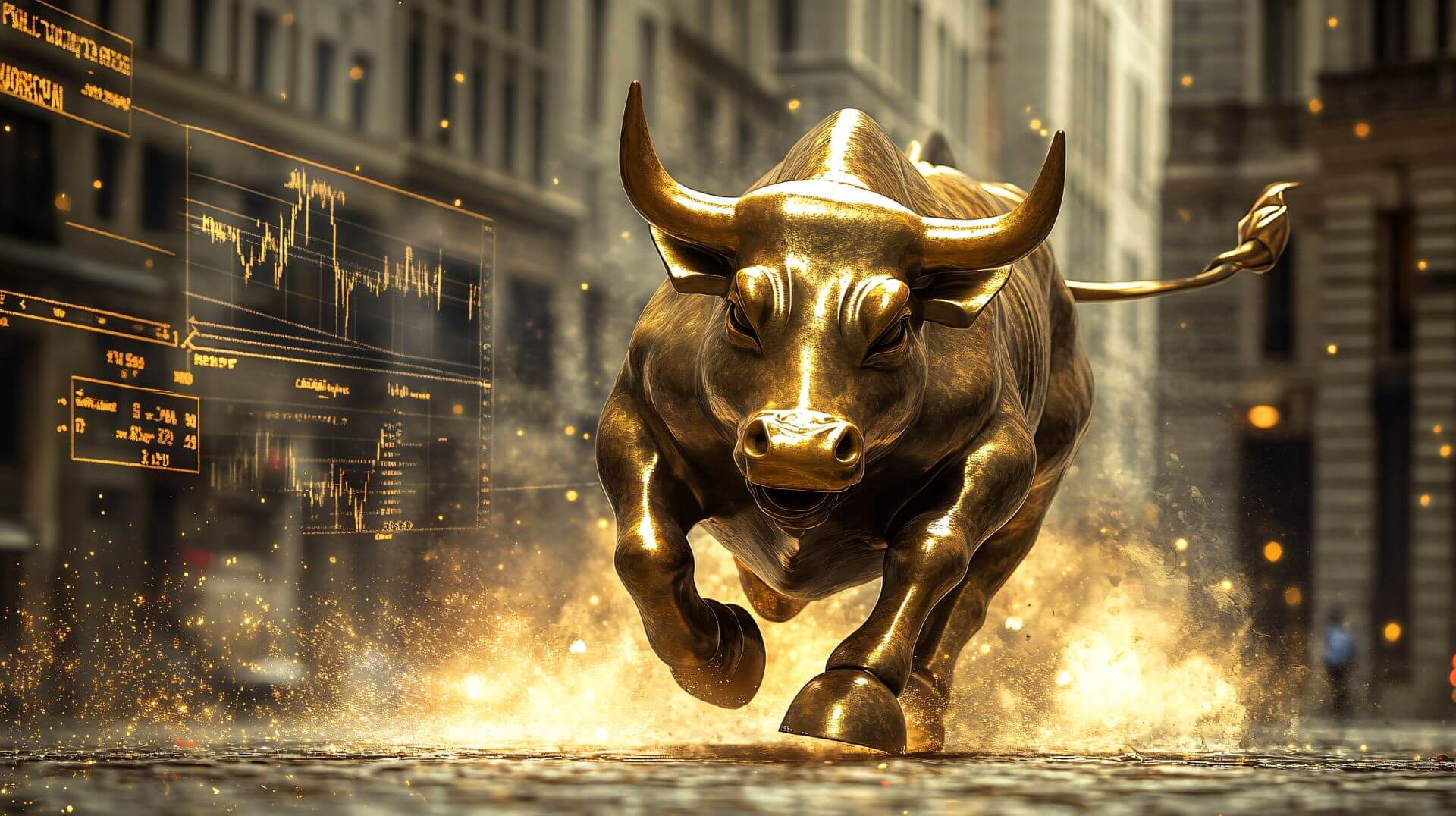
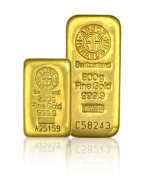
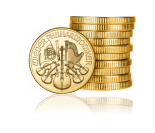
Gold prices have continued their strong upward trend, reaching historic levels and approaching $3,000 per ounce. This surge comes amid growing economic uncertainty, deteriorating trade relations between global powers, and a weakening U.S. dollar. Concerned about market instability, investors are increasingly turning to gold as a safe-haven asset, further supporting its price increase.
Trade War Escalation and Its Impact on Markets
The latest round of trade measures has further shaken global markets. The U.S. government has imposed new high tariffs on imports of steel, aluminum, and European alcoholic beverages, prompting retaliatory measures from the European Union. In response, the U.S. has introduced 200% tariffs on European wine and spirits, escalating the conflict even further.
These measures could have long-term consequences for the global economy, slowing growth and increasing inflation. Experts warn that continued protectionist policies could threaten international trade and contribute to global economic stagnation, which historically benefits gold prices.
Weakening Dollar and Monetary Policy
Another key factor driving gold prices higher is the weakening U.S. dollar. The dollar’s value has fallen by more than 5% since the beginning of the year, and investors are now increasingly expecting the possibility of Federal Reserve interest rate cuts.
Lower interest rates make gold a more attractive investment by reducing yields on U.S. bonds and other financial instruments, leading investors to seek alternative ways to preserve capital value.
Additionally, central banks in many countries are increasing their gold reserves, reducing exposure to U.S. Treasury bonds and strengthening their monetary reserves. For example, the central banks of China and Russia have significantly increased their gold purchases in recent years, signaling confidence in the long-term value of this precious metal.
Silver and Other Precious Metals Follow Gold’s Rise
As gold reaches new peaks, other precious metals are also experiencing growth. Silver prices have reached $33 per ounce, marking their highest level in the last 12 years. This increase has been driven by the same factors influencing gold—inflation, a weakening dollar, and growing demand for safe-haven assets.
Given silver’s broad industrial applications, particularly in the electronics and renewable energy sectors, some analysts believe that its price could rise even faster than gold in the future. Platinum and palladium are also in an upward trend, with growing demand in industrial and automotive manufacturing.
Gold Price Forecasts
Financial analysts predict that gold prices could reach $3,100 by the end of the year, while more optimistic scenarios project a potential increase to $3,500 per ounce within the next 12 to 18 months.
Factors that could further drive gold prices include:
- Ongoing trade tensions and protectionist policies, fueling economic uncertainty.
- Potential inflation growth, increasing demand for safe-haven assets.
- A weakening dollar and potential recession, which could push more investors toward gold.
- Geopolitical instability, such as conflicts in Eastern Europe and tensions between China and Taiwan.
If current trends persist, gold could maintain its status as a safe-haven asset and continue to appreciate, making it one of the most important investments in turbulent times.
Is Now the Right Time to Invest in Gold?
An increasing number of investors recognize gold as a key part of a diversified portfolio, especially in times of uncertainty. If current economic trends continue, investing in gold could yield significant long-term benefits.
Whether you are considering buying gold as protection against inflation or as a long-term investment, now could be the right time to make your decision.
Related posts
Analysis of Gold Price Trends Over the Last 5 Years
Over the past five years, gold has experienced a significant increase in value, reflecting global economic and geopolitical changes. However,
Record High Gold and Silver Prices in January 2025
In January 2025, the precious metals market continued to experience significant changes, particularly in gold and silver. These trends are
Gold and Silver Market in December 2024
December 2024 marked the continued rise in precious metal prices, particularly gold and silver, rounding off an exceptionally successful year
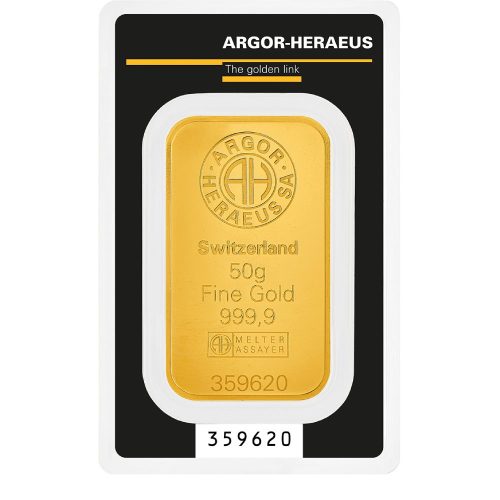 50g Gold Bar | Argor-Heraeus